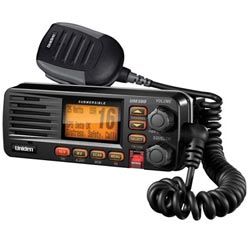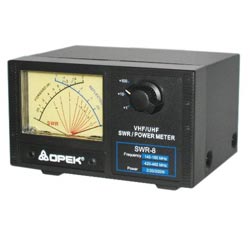
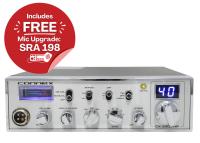
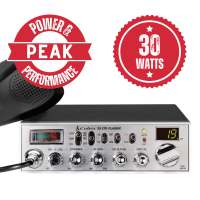
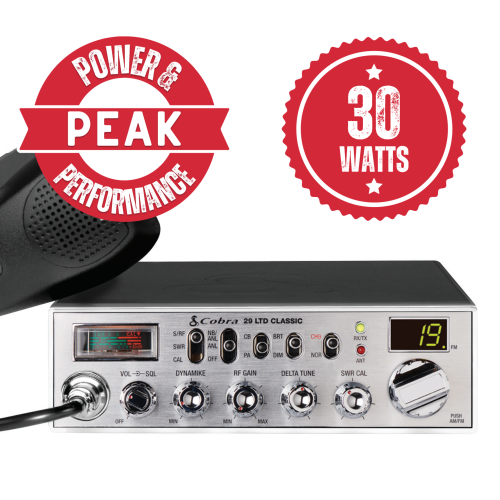
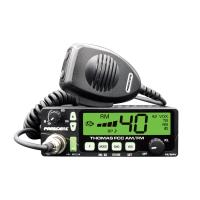
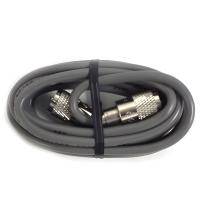
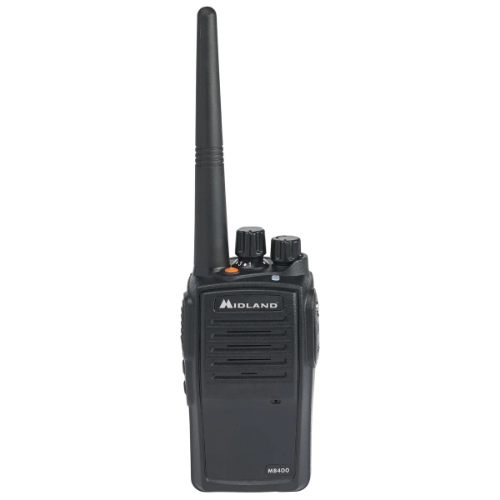
You might not know much about ham radio, but it’s actually a fascinating subject. Ham radio is enjoyed by people worldwide, who spend time tinkering with their radios and talking to other hams and radio enthusiasts of all kinds and from all walks of life. You need a ham radio license to use a ham radio legally, but it’s not that difficult to obtain one. Here’s an overview of everything to do with ham radio.
Amateur radio equipment got the nickname “ham radio” because the operator broadcasting over the frequencies is known as the “ham.” Operating ham radio equipment consists of using the radio frequency spectrum to exchange non-commercial messages to other hams. These messages can consist of private communications, wireless experimentation, contesting, and emergency communications, too. Though it’s called amateur, many operators who enjoy ham radio equipment have years of experience broadcasting. In fact, the term amateur is used to refer to someone who has an intense interest in radio broadcasting, but only for personal pleasure and not for any monetary reasons or profit. Simply put, ham radio is a hobby that brings together all those who have a genuine interest in it, purely for non-commercial exchanges.
One of the best parts of broadcasting on ham radio is the general goodwill and kindness of those who respond to broadcasts and operate their own equipment and radios. With the pandemic keeping everybody cooped up in their homes, having a way to contact people worldwide and make friends in these times of uncertainty is more important than ever before. Ham radio can be enjoyed as some fun on the weekends, as a serious interest, or at any level in between. It can be educational, help in emergencies, and bring people together everywhere to bond over their shared love of radio and communication.
If you’re just starting out as a ham or even if you’re a ham radio gear expert, you will often want to upgrade or repair your equipment or even replace it entirely. When that happens, generally, the most convenient solution is to find ham radio equipment online. However, you want to look for a reputable company that provides superior quality ham radio equipment for sale and also does repairs and installations. Walcott Radio is the leading retailer for ham radio gear and accessories in the Iowa area and throughout the U.S., and their Iowa location houses the world’s largest CB shop. They have been providing the amateur radio community since 1986 with high-quality ham radio equipment, repair, and installation, including:
The history of ham radio is long and involved. It started back in the 1900s, at which time 89 radio call stations were designed for non-commercial, non-profit use by amateur broadcasters. The popularity of ham radio quickly grew and grew, and it hasn’t slowed down since it began, with thousands of people all over the world who enjoy it today. Actually, the term “ham” started as a derogatory term to mock operators who were lousy at Morse code, known as the “ham-fisted” operators. The term stuck and has remained in place even today, which is why amateur radio is also affectionately known as ham radio. The 20th century saw a different perception of ham radio operators, and today ham radio is used for many other uses, including for crucial emergency communications.
Ham radio is regulated by the FCC, which has specific rules and regulations regarding it’s use and those allowed to broadcast. Any ham radio hopefuls must take and pass an examination of basic technology and operating principles to obtain a ham radio operator license. The exam includes standard ham operating practices, radio and electronics theory, ham radio gear design, safety, and general radio regulations. When awarded a license, you will be allowed to broadcast on frequencies that the FCC has designated explicitly for hams to use, known as the Amateur Bands.
Now, hams can get three different types of licenses through the FCC, which regulates all ham radio. Obtaining a license means access to more frequencies and increased power limits. You can advance from technician, to general, and then extra. If you’re unsure how to get on the air or begin to obtain your license, Walcott’s or your local ham radio club is an excellent place to start. They are full of radio operators of all levels that are more than willing to share their knowledge of radio with anybody who wants to learn for any reason.
Once you pass the FCC exam, you will be designated your own personal call sign so that you can be easily identified during communications with other hams. Also, attaining your hams license from the FCC brings with it certain unique and exclusive privileges and unrivaled versatility with your communication and operation of your ham radio gear.
Some ham operators use Morse code; some use a brass telegraph key or even their voice. However, Morse code is considered the superior method because it can often get through communications where voice fails. Don’t make the mistake of thinking that ham radio is similar to what you hear in your car on the FM stations. Ham radio is a two-way conversation but can be listened to by anybody in the room. Hams can also join in on networks, which operate at a designated time and frequency to have conversations with each other, no matter where they’re located in the world.
Ham radios use 28 different frequency bands from right above the AM broadcast band all the way up into the gigahertz, or microwaves. Currently, hams everywhere are spending time experimenting and exploring data communications in higher and higher frequencies, even up to 275 gigahertz and past that, which is incredibly almost to the spectrum of light. However, two of the most prevalent bands are worldwide shortwave segments, which are VHF and UHF. These bands are primarily for local or regional communications. There are also many different modes with which you can communicate, which can include AM, FM, digital modes, television signals, and sideband signals. They can even be used to control drones or aircraft remotely.
The public service and emergency sector is another reason why ham radio is utilized so widely today. In fact, many hams enlisted in the military as experienced technicians and radio operators in World War II. However, hams weren’t just invaluable for wartime efforts. Amateur radio operators can be anybody: emergency preppers, office workers, hobbyists, senior citizens, anybody. Most hams are very nice, kind people that love to spread goodwill and explore their love of radio communications.
Ham is also critically important as a fail-safe method of communicating in times of emergency or during a natural disaster. Though you may think that you can rely on your cell phone, internet, or landline (if you have one), those systems are only designed to take on a limited traffic load. Eventually, they overload and fail. If more than half the phones are off the hook simultaneously, say, because of a hurricane or tornado, the system will shut itself down even if the other half of the phone lines are still valid and working. Even public radio alert systems can fail during an emergency.
This type of system overload isn’t a problem with amateur radio. Ham radio users can use any of the frequencies available to them on their designated bands, so finding a method of communicating is virtually never an issue. Expert hams also know how to operate and broadcast at maximum efficiency, sharing the spectrum with fellow hams without overloading it.
Another drawback to systems like landlines is that they run on electricity. When a natural disaster or emergency happens, the power is likely to fail. If the power does fail, and there’s no generator, then there’s no way to communicate during an emergency. Most ham radio equipment runs on an internal battery or any other kind of DC 12-volt electricity. That means that operators who have radios that don’t consume much energy can keep them going much longer than typical communication methods. This is a great benefit to have during an emergency.
When it’s time to choose a ham radio, it’s crucial to consider every aspect. The radio itself is generally the most expensive part of the entire setup and will consume at least half of your budget, if not more. However, it’s by far the most essential part of your ham equipment, which is why it’s recommended to splurge a little bit and get something high-end that will be able to operate any way you need with no issues at all.
If you’re a novice or beginner ham, then a basic HF radio is a great way to start out. Also known as shortwave radio, HF radios operate on HF bands, which are all under 30 MHz. No matter which HF radio you choose, it will work with no problems on the HF bands. The only differences between the different radios are in the available features they have. Some have better memories, and some offer filtering. However, HF radios are relatively simple to use, which is why they’re so popular for beginner hams. They only require a one-antennae connection and typically come with simpler controls and displays, so they’re very user-friendly. The Journeyman HF radios can hook up to your computer or laptop and then be formatted for digital transmissions and communications. The best quality HF radios have excellent receivers, highly customizable controls, are already enabled for digital transmissions, and also allow for antennae switching.
Filters are another consideration when purchasing a ham radio, whether you’re just a weekend hobbyist or a professional ham expert, as operating ham radio gear without one can be challenging. Filters are essential because they allow you to maximize your use of the radio signal while reducing other strong signals in your region that could interfere with yours. Look for a radio that offers cascading filters or even extra filters, as this will make your communication and broadcasting experience much clearer and more pleasant.
One of the most critically essential accessories that you absolutely need when purchasing a ham radio is a good microphone. The ham radio you buy might come with a microphone already, but these are typically standard versions that aren’t very good. It’s recommended to spend the extra money and buy a high-quality microphone to go with your ham radio. Walcott’s has a wide range of microphones for sale that will integrate perfectly with your ham radio, no matter which brand you have. You might also want to consider investing in a pair of headphones, which upgrade your broadcasting and receiving communications that much more. You can even get headphones with a boom microphone attached that can be moved right in front of your mouth, which offers the highest level of convenience for ham operators.
Keys are another vital accessory for ham radio operation, particularly if you wish to use Morse code as your desired communication method. The key is the actual device that sends the Morse code, so it’s mandatory to have a key to use Morse. You can pick between straight and electronic keys, but you may want to try them out first before investing in one for the long-term. In fact, you can even find keys that memories that can store messages you commonly send, like your designated call sign.
You may be a ham radio expert, or you may never have heard of amateur radio. No matter which category you fall into, ham radio is a fascinating subject and hobby that people of all kinds can enjoy. Walcott’s has been the world’s expert on ham radio equipment and accessories for over 35 years and continues to be the leading choice for purchasing ham radio gear online or at their Iowa location. They are proud to serve the world’s amateur radio enthusiasts and are the leading experts on ham radio sales, installation, service, and repair. Contact Walcott’s today for all of your ham radio needs, whether you’re just a novice ham who wants to learn more or an expert with a license who spends all their free time on their radio.